Section 1: Mathematics
Time allowed: 20 minutes
Question 1
My sister bought 12 balloons for a party, and my brother bought 3 times as many balloons as she did. How many balloons do they have altogether?
| A. |  40 balloons 40 balloons |
| B. | 45 balloons |
| C. | 48 balloons |
| D. | 84 balloons |
Question 2
A toy store sells sticker packs. Each pack contains 10 stickers. I bought 3 packs. My brother bought 6 packs. My sister bought 21 packs. How many stickers do we have altogether?
| A. | 312 stickers |
| B. | 320 stickers |
| C. | 311 stickers |
| D. | 300 stickers |
Question 3
For Grandpa’s birthday celebration, we prepared 20 surprise bags, and each bag contained 6 candies. If each candy costs 2 NIS, how much did all the candies cost altogether?
| A. | 220 NIS |
| B. | 400 NIS |
| C. | 210 NIS |
| D. | 240 NIS |
Question 4
Mom bought 10 fresh rolls. If each roll costs 2.5 NIS, how much did Mom pay for the rolls altogether?
| A. | 20 NIS |
| B. | 21 NIS |
| C. | 22 NIS |
| D. | 25 NIS |
Question 5
My parents enrolled me in a swimming class. If there are two lessons each week, how many lessons will there be in fourteen weeks?
| A. | 16 lessons |
| B. | 18 lessons |
| C. | 28 lessons |
| D. | 30 lessons |
Question 6
Before Passover, my mother and I are cleaning the house. I cleaned the windows on the first floor, and she cleaned the windows on the second floor. How many windows did she clean, if there are 8 windows on the first floor and 3 times as many windows on the second floor?
| A. | 24 windows |
| B. | 25 windows |
| C. | 28 windows |
| D. | 38 windows |
Question 7
A cake recipe uses four tablespoons of sugar. How many cakes did Mika bake, if she used 16 tablespoons of sugar?
| A. | 4 cakes |
| B. | 8 cakes |
| C. | 16 cakes |
| D. | 64 cakes |
Question 8
Three dogs and one cat are playing in the yard. How many legs do they all have altogether?
| A. | 16 legs |
| B. | 12 legs |
| C. | 10 legs |
| D. | 4 legs |
Question 9
There are 7 days in one week. How many days are there in 7 weeks?
| A. | 7 days |
| B. | 49 days |
| C. | 50 days |
| D. | 14 days |
Question 10
Yonatan collects stamps. He has a stamp album with 12 pages. On each of the first 11 pages there are 30 stamps. On the 12th page there are 2 stamps. How many stamps does he have altogether?
| A. | 242 stamps |
| B. | 252 stamps |
| C. | 322 stamps |
| D. | 332 stamps |
Question 11
Irit’s stamp album has 130 stamps. Each page holds exactly 10 stamps. How many full pages are there in her album?
| A. | 80 pages |
| B. | 73 pages |
| C. | 30 pages |
| D. | 13 pages |
Question 12
There are 17 families living in Itai’s neighborhood. Of these, 2 families have 2 children, and the rest of the families have 3 children. How many children live in the neighborhood?
| A. | 17 children |
| B. | 27 children |
| C. | 47 children |
| D. | 49 children |
Question 13
There are 24 hours in a day. How many hours are there in five days?
| A. | 48 hours |
| B. | 120 hours |
| C. | 122 hours |
| D. | 132 hours |
Question 14
Yesterday, a test in English was given to fourth-grade students. In the first part of the test, there were 4 questions. In the second part, there were twice as many questions as in the first part. In the third part, there were 3 times as many questions as in the second part. How many questions were there in the test?
| A. | 36 questions |
| B. | 37 questions |
| C. | 24 questions |
| D. | 9 questions |
Question 15
Today is Sunday. My birthday is next Monday. In how many days is my birthday?
| A. | 7 days |
| B. | 8 days |
| C. | 9 days |
| D. | 10 days |
Question 16
There are 12 apartments in our building. Each apartment has a front door and a back door. How many doors are there in the building?
| A. | 24 doors |
| B. | 25 doors |
| C. | 12 doors |
| D. | 14 doors |
Question 17
I got a pack of chewing gum from my grandmother with 50 pieces of gum in it. I ate one piece each day for a week. How many pieces of gum do I have left?
| A. | 43 |
| B. | 57 |
| C. | 44 |
| D. | 50 |
Question 18
To make a cake, you need 2 eggs and 3 cups of flour. Mom wants to make 4 cakes. How many eggs and how many cups of flour does Mom need?
| A. | 8 eggs and 14 cups of flour |
| B. | 8 eggs and 12 cups of flour |
| C. | 4 eggs and 12 cups of flour |
| D. | 6 eggs and 15 cups of flour |
Question 19
Tamar and Omri are studying together for a test. Each of them needs to solve 60 questions in order to be ready for the test. Tamar solved one third of the questions. Omri solved the number of questions Tamar solved, plus 2 more. How many questions did they solve altogether?
| A. | 40 questions |
| B. | 41 questions |
| C. | 42 questions |
| D. | 43 questions |
Question 20
Dana and Eliya are good friends. Dana has 12 marbles. Eliya has 3 times as many marbles as Dana. Eliya and Dana played marbles, and Eliya lost 3 marbles to Dana. How many marbles does Eliya have now?
| A. | It is impossible to know |
| B. | 21 marbles |
| C. | 0 marbles |
| D. | 33 marbles |

אם הגעת לכאן אנא עצור והמתן-להוראות המדריך.
Section 2: Verbal Analogies
Time allowed: 15 minutes
Question 21
Socket : electricity = faucet : ____
| A. | water |
| B. | iron |
| C. | transparent |
| D. | silver |
Question 22
Black : white = dark : ____
| A. | green |
| B. | sweet |
| C. | light |
| D. | clean |
Question 23
Cat : kitten = lion : ____
| A. | chirp |
| B. | cub |
| C. | walk |
| D. | roar |
Question 24
Drill : tool = pot : ____
| A. | cooking utensil |
| B. | tool |
| C. | pot utensil |
| D. | cutlery |
Question 25
Heart : blood = lung : ____
| A. | breathe |
| B. | big |
| C. | full |
| D. | oxygen |
Question 26
Thin : slim = fat : ____
| A. | plump |
| B. | light |
| C. | tall |
| D. | huge |
Question 27
To chirp : bird = to bray : ____
| A. | horse |
| B. | donkey |
| C. | snake |
| D. | rabbit |
Question 28
Orange : orchard = ____
| A. | grove : olive |
| B. | olive : grove |
| C. | grove : lemon |
| D. | lemon : meadow |
Question 29
Pen : writing = marker : ____
| A. | submitting |
| B. | pencil case |
| C. | coloring |
| D. | pencil |
Question 30
Sun : day = ____
| A. | moon : night |
| B. | moon : moon |
| C. | moon : white |
| D. | moon : full |
Question 31
Sun : hot = ____
| A. | moon : cold |
| B. | moon : white |
| C. | moon : far |
| D. | moon : crescent |
Question 32
Happy : sad = tall : ____
| A. | loud |
| B. | short |
| C. | long |
| D. | happy |
Question 33
Fish : fins = bird : ____
| A. | flies |
| B. | wings |
| C. | chirps |
| D. | rests |
Question 34
Chest : ribs = belly : ____
| A. | eye |
| B. | hand |
| C. | leg |
| D. | stomach |
אם הגעת לכאן אנא עצור והמתן-להוראות המדריך.
Section 3: Sentence Completion
Time allowed: 10 minutes
Question 36
Because I prepared well for the ______, I was able to get a ______ grade.
| A. | trip, in the city |
| B. | cooking, low |
| C. | test, high |
| D. | exam, low |
Question 37
When my ___ is clean, I enjoy spending time in it. ___ to keep it tidy and clean every day.
| A. | schoolbag, skip |
| B. | house, make sure |
| C. | closet, give up |
| D. | kitchen, forget |
Question 38
My mother and I ___ together in the kitchen. I ___ a salad and she is baking a cake.
| A. | eat, lick |
| B. | laugh, yesterday |
| C. | clean, cook |
| D. | cook, chop |
Question 39
One of the children in my class told a ___ . Everyone laughed. The children’s laughter could be heard ___ .
| A. | funny thing, sadly |
| B. | joke, from afar |
| C. | from afar, joke |
| D. | story, softly |
Question 40
Yesterday at five in the ___, I went with Mom to the grocery store and saw that our kindergarten was closed. It is not very pleasant to see a ___ kindergarten.
| A. | afternoon, closed |
| B. | food, open |
| C. | school, clean |
| D. | holiday, beautiful |
Question 41
Today I am celebrating my birthday. I ___ all the children in my class to the party. I hope all the ___ will come.
| A. | told, one |
| B. | asked, parent |
| C. | invited, guests |
| D. | studied, food |
Question 42
When Dad ___ me for help with his tools, I am happy, because it lets me spend time with him. This is my ___ to learn special things from him.
| A. | asks, opportunity |
| B. | calls, request |
| C. | says, willingness |
| D. | offers, correct |
Question 43
If we want to go on a long trip, it is a good idea to take enough ______ and ______.
| A. | food, drink |
| B. | sweets, requests |
| C. | drink, success |
| D. | dates, guesses |
Question 44
Yesterday Beni and I had a fight. He ___ me and I screamed. After that I calmed down, and we went back to ____.
| A. | informed on, fighting |
| B. | confused, getting angry |
| C. | upset, playing |
| D. | shouted, shouting |
אם הגעת לכאן אנא עצור והמתן-להוראות המדריך.
Section 4: Number and Shape Sequences
Time allowed: 15 minutes
Question 45
Complete: 17, 28, 39, 50, __
| A. | 77 |
| B. | 59 |
| C. | 69 |
| D. | 61 |
Question 46
Complete: 7, 14, 21, 28, __
| A. | 7 |
| B. | 42 |
| C. | 35 |
| D. | 32 |
Question 47
Complete: 3, 6, 9, 12, __
| A. | 15 |
| B. | 19 |
| C. | 20 |
| D. | 8 |
Question 48
Complete: 102, 100, 98, 96, __
| A. | 94 |
| B. | 92 |
| C. | 88 |
| D. | 90 |
Question 49
Complete: 11, 22, 44, 88, __
| A. | 99 |
| B. | 109 |
| C. | 170 |
| D. | 176 |
Question 50
Complete: 3, 33, 363, 3993, __
| A. | 3663 |
| B. | 23,333 |
| C. | 4663 |
| D. | 43,923 |
Question 51
Complete: 1, 1, 2, 3, 5, __
| A. | 5 |
| B. | 6 |
| C. | 8 |
| D. | 7 |
Question 52
Complete: 1, 7, 8, 15, 23, __
| A. | 38 |
| B. | 39 |
| C. | 40 |
| D. | 41 |
Question 53
Complete: 108, 96, 84, 72, 60, __
| A. | 57 |
| B. | 38 |
| C. | 48 |
| D. | 49 |
Question 54
What is the next item in the sequence?
1112, 1011, 910, 809, ?
| A. | 609 |
| B. | 706 |
| C. | 808 |
| D. | 708 |
אם הגעת לכאן אנא עצור והמתן-להוראות המדריך.
Section 5: Shapes
Time allowed: 10 minutes
Question 55
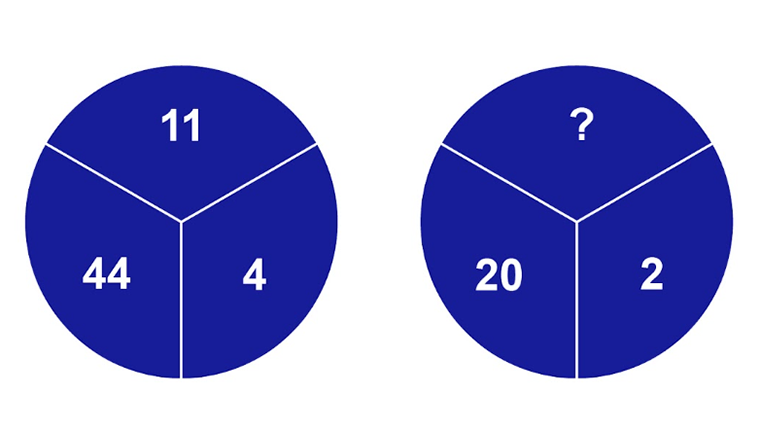
| A. | 2 |
| B. | 11 |
| C. | 10 |
| D. | 20 |
Question 56
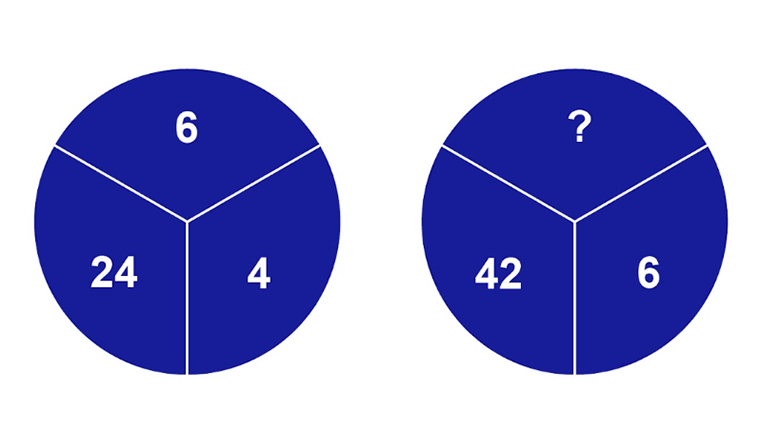
| A. | 8 |
| B. | 12 |
| C. | 2 |
| D. | 7 |
Question 57
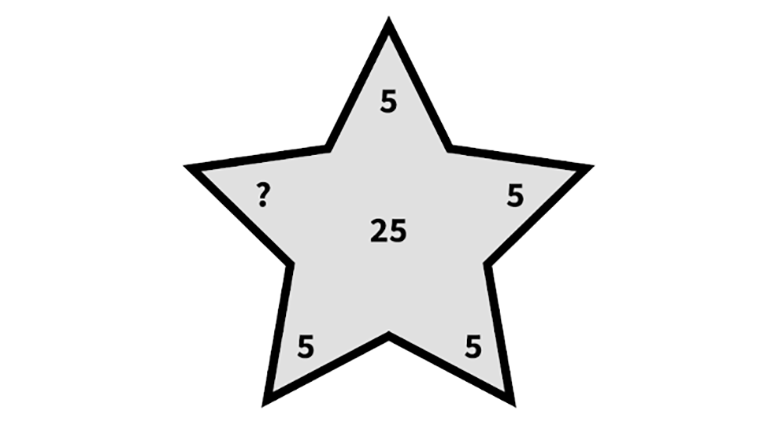
| A. | 20 |
| B. | 15 |
| C. | 6 |
| D. | 5 |
Question 58
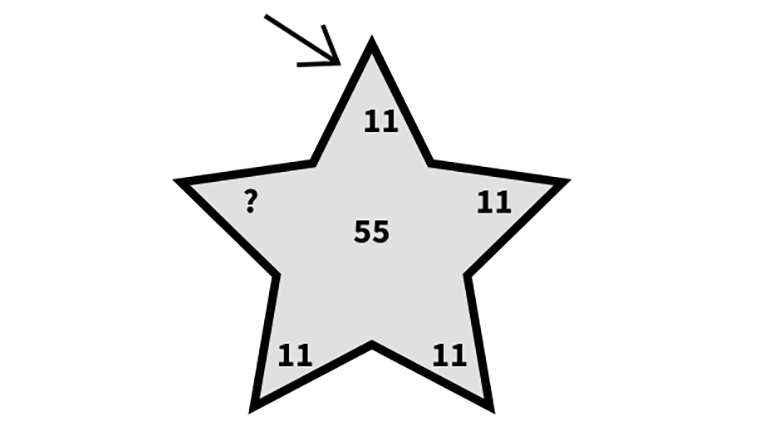
| A. | 55 |
| B. | 10 |
| C. | 5 |
| D. | 11 |
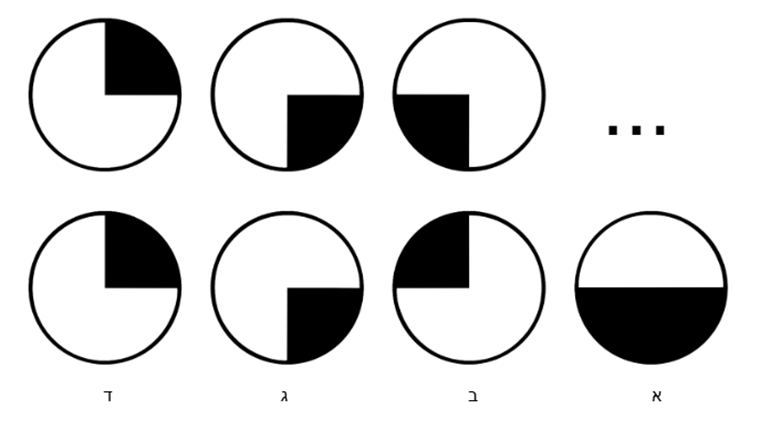
Question 59
| A. | |
| B. | |
| C. | |
| D. | |
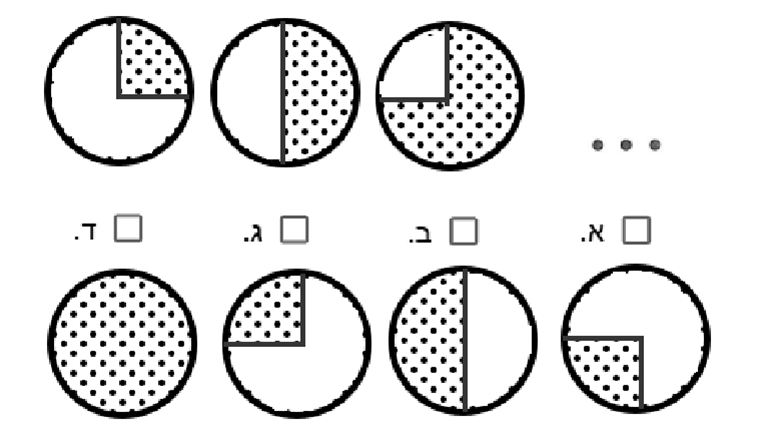
Question 60
| A. | |
| B. | |
| C. | |
| D. | |
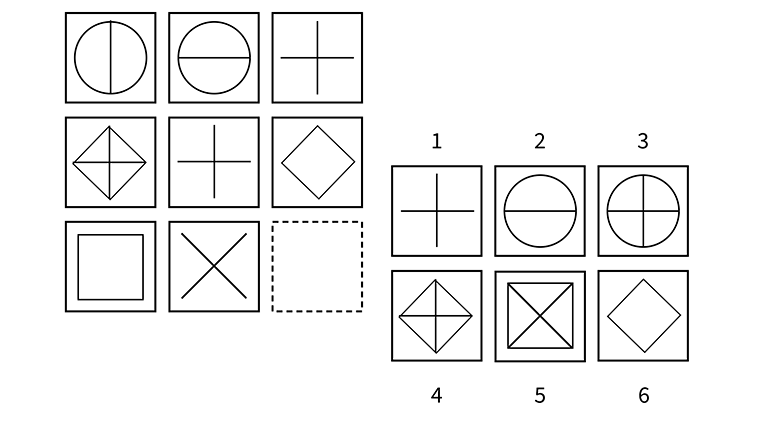
Question 61
| A. | |
| B. | |
| C. | |
| D. | |
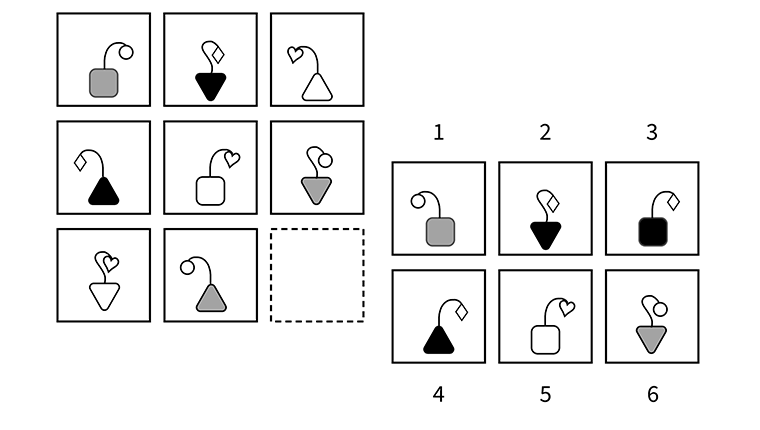
Question 62
| A. | |
| B. | |
| C. | |
| D. | |
Question 63
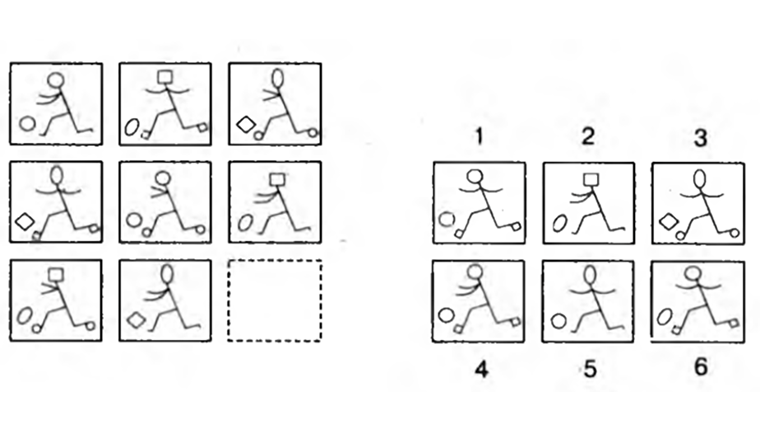
| A. | |
| B. | |
| C. | |
| D. | |
Question 64
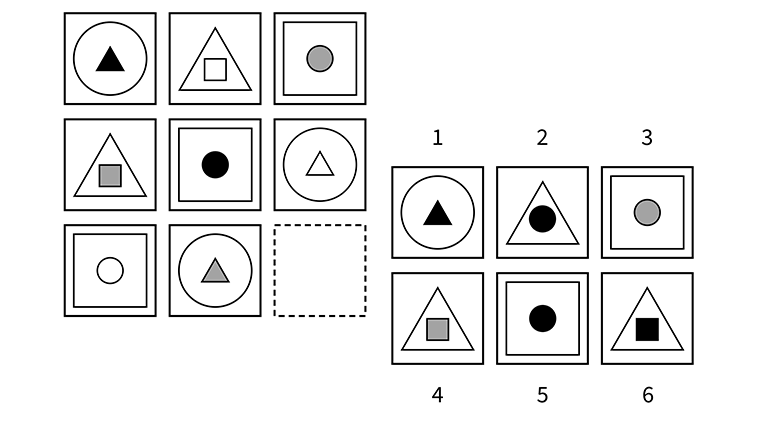
| A. | |
| B. | |
| C. | |
| D. | |
Answers
| Question | Subject | Correct Answer | Short Explanation / Calculation |
|---|---|---|---|
| 1 | Mathematics | C | The sister has 12 balloons. The brother has 3 times as many = 36. Together: 12 + 36 = 48. |
| 2 | Mathematics | D | Total packs: 3 + 6 + 21 = 30. Each pack has 10 stickers, so 30 × 10 = 300. |
| 3 | Mathematics | D | 20 bags × 6 candies = 120 candies. Each candy costs 2 NIS, so 120 × 2 = 240 NIS. |
| 4 | Mathematics | D | 10 rolls × 2.5 NIS = 25 NIS. |
| 5 | Mathematics | C | 2 lessons per week × 14 weeks = 28 lessons. |
| 6 | Mathematics | A | The second floor has 3 times 8 windows, so 3 × 8 = 24. |
| 7 | Mathematics | A | 16 tablespoons ÷ 4 tablespoons per cake = 4 cakes. |
| 8 | Mathematics | A | 3 dogs and 1 cat = 4 animals. 4 × 4 legs = 16 legs. |
| 9 | Mathematics | B | 7 weeks × 7 days = 49 days. |
| 10 | Mathematics | D | 11 pages × 30 = 330, plus 2 = 332. |
| 11 | Mathematics | D | 130 stamps ÷ 10 stamps per page = 13. |
| 12 | Mathematics | D | 2 families × 2 children = 4. 15 families × 3 children = 45. Total: 49. |
| 13 | Mathematics | B | 5 days × 24 hours = 120 hours. |
| 14 | Mathematics | A | First part: 4. Second part: 8. Third part: 24. Total: 36. |
| 15 | Mathematics | B | From Sunday until next Monday = 8 days. |
| 16 | Mathematics | A | 12 apartments × 2 doors each = 24 doors. |
| 17 | Mathematics | A | One gum per day for a week: 50 − 7 = 43. |
| 18 | Mathematics | B | Multiply the ingredients by 4: eggs 2 × 4, flour 3 × 4. |
| 19 | Mathematics | C | Tamar solved one third of 60 = 20. Omri solved 20 + 2 = 22. Together: 42. |
| 20 | Mathematics | D | Eliya has 12 × 3 = 36 marbles. She lost 3, so 33 remain. |
| 21 | Verbal Analogies | A | A socket carries electricity, and a faucet carries water. |
| 22 | Verbal Analogies | C | Opposites: black–white, dark–light. |
| 23 | Verbal Analogies | B | A lion’s young is a cub. |
| 24 | Verbal Analogies | A | A pot belongs to the category of cooking utensils. |
| 25 | Verbal Analogies | D | Oxygen passes through the lungs just as blood passes through the heart. |
| 26 | Verbal Analogies | A | “Thin” and “slim” are synonyms; “plump” is close in meaning to “fat.” |
| 27 | Verbal Analogies | B | A donkey brays just as a bird chirps. |
| 28 | Verbal Analogies | B | The relation is fruit and the place where it grows. |
| 29 | Verbal Analogies | C | A pen is used for writing, and a marker is used for coloring. |
| 30 | Verbal Analogies | A | The sun is connected to day, and the moon to night. |
| 31 | Verbal Analogies | D | “Sun” and “heat” are closely linked; “moon” and “crescent” match the pattern best here. |
| 32 | Verbal Analogies | B | Opposites: happy–sad, tall–short. |
| 33 | Verbal Analogies | B | Fins belong to a fish just as wings belong to a bird. |
| 34 | Verbal Analogies | D | The stomach is an organ in the belly, just as ribs are parts of the chest. |
| 35 | Verbal Analogies | D | A treetop is the upper part of a tree, just as a roof is the upper part of a building. |
| 36 | Sentence Completion | C | You prepare for a test in order to get a high grade. |
| 37 | Sentence Completion | B | A clean house is pleasant, so one makes sure to keep it tidy. |
| 38 | Sentence Completion | D | The action fits the kitchen context. |
| 39 | Sentence Completion | B | A joke causes laughter that can be heard from afar. |
| 40 | Sentence Completion | A | The time and context are logical. |
| 41 | Sentence Completion | C | You invite people to a party and hope the guests will come. |
| 42 | Sentence Completion | A | A request for help creates an opportunity to learn. |
| 43 | Sentence Completion | A | Basic supplies for a long trip are food and drink. |
| 44 | Sentence Completion | C | First there is a quarrel, then calming down, and then going back to playing. |
| 45 | Number Sequences | D | The pattern adds 11 each time. |
| 46 | Number Sequences | C | Multiples of 7. |
| 47 | Number Sequences | A | Add 3 each time. |
| 48 | Number Sequences | A | Subtract 2 each time. |
| 49 | Number Sequences | D | Multiply by 2 each time. |
| 50 | Number Sequences | D | Each term is the previous term multiplied by 11. This can also be solved intuitively if you know multiples of 10 and expect the answer to be slightly higher than ×10. |
| 51 | Number Sequences | C | Fibonacci sequence. |
| 52 | Number Sequences | A | Each term is the sum of the previous two. |
| 53 | Number Sequences | C | Subtract 12 each time. |
| 54 | Number Sequences | D | Each time the number decreases by 101. |
| 55 | Shape Patterns | 5 | The product of the two numbers, the right one and the top one, gives the result on the left. |
| 56 | Shape Patterns | 3 | 42 divided by 6. |
| 57 | Shape Patterns | 1 | The sum of the digits at the ends gives the number in the middle. |
| 58 | Shape Patterns | 6 | The sum of the digits at the ends gives the number in the middle. |
| 59 | Shape Patterns | D | The colored quarter moves 90 degrees clockwise each time. |
| 60 | Shape Patterns | D | In each step, another colored quarter is added clockwise. |
| 61 | Shape Patterns | G | In each row there are three shapes. The inner shapes combine so that twice there is a partial shape and once there is a full shape. In addition, the outer shape, circle or square, appears twice in each row. |
| 62 | Shape Patterns | D | In each row the bottom shape appears as triangle up, triangle down, or square, and also in three colors: gray, black, and white. The top shape appears in three forms: heart, diamond, and circle, and also varies in direction. |
| 63 | Shape Patterns | D | Each row contains combinations of head shapes (round, square, elliptical), arm positions (spread, straight, bent), and ball shapes (round, diamond, elliptical). |
| 64 | Shape Patterns | B | Each row includes: outer shape or shoes (twice square and once without), triangle/square/circle shapes, and inner shape colors: black, white, or gray. |